Visiting the Auschwitz-Birkenau Memorial and Museum
Auschwitz I (the Museum) and Auschwitz II–Birkenau (the Memorial grounds) are preserved to honor victims and educate future generations.
This is not a typical tourist destination.
It is a place of mourning, learning, and remembrance.
Entry is free; guided tours with certified Museum educators are available and recommended.
Please approach your visit with humility and respect for the victims and survivors..
Auschwitz-Birkenau Memorial and Museum Visiting timetable
The Memorial and Museum are generally open daily, with seasonal schedules. Guided tour start times vary; last admission is usually one hour before closing. Security checks apply.
Auschwitz-Birkenau Memorial and Museum Closing Days
Closed or adjusted hours on certain public holidays and commemorative dates. Always confirm the official schedule on auschwitz.org.
Where is Located
Memorial and Museum Auschwitz-Birkenau, Oświęcim, Poland
How to get to Auschwitz-Birkenau
Auschwitz-Birkenau lies in Oświęcim, about 70 km west of Kraków and 35–40 km east of Katowice. Frequent trains and buses connect to Oświęcim; local buses and a shuttle link Auschwitz I (Museum) and Birkenau (Memorial grounds).
By Train
From Kraków Główny or Katowice stations, take a train to Oświęcim. From Oświęcim station, walk (~25–30 minutes) or take a local bus to Auschwitz I (the Museum entrance), then use the free shuttle to Birkenau.
By Car
Drive to Oświęcim and follow signs to the Museum. Paid parking is available near Auschwitz I and separate lots near Birkenau. Allow time for security and shuttle transfers.
By Bus
Direct buses run from Kraków MDA and Katowice to stops near ‘Oświęcim Muzeum’. Local buses connect Auschwitz I and Birkenau. Timetables vary, so verify schedules in advance.
On Foot
The distance between Auschwitz I (Museum) and Birkenau (Memorial grounds) is roughly 3 km. A free shuttle operates regularly; dedicated walking paths also connect the two sites.
Why visit Auschwitz-Birkenau
To remember victims, confront the reality of state-sponsored terror, and learn from preserved evidence and testimonies so future generations recognize warning signs and resist hatred in all its forms.
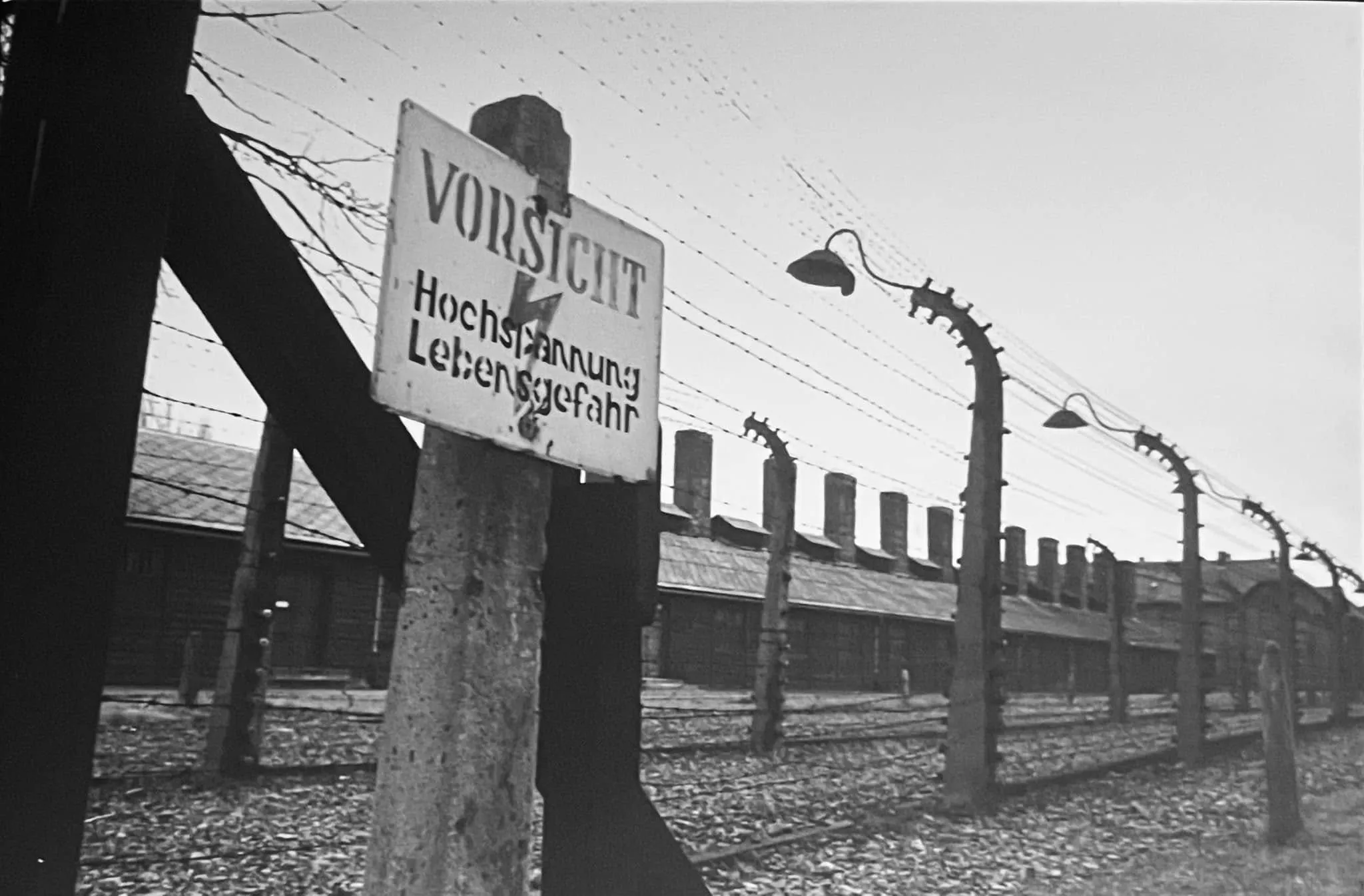
Auschwitz-Birkenau Memorial and Museum
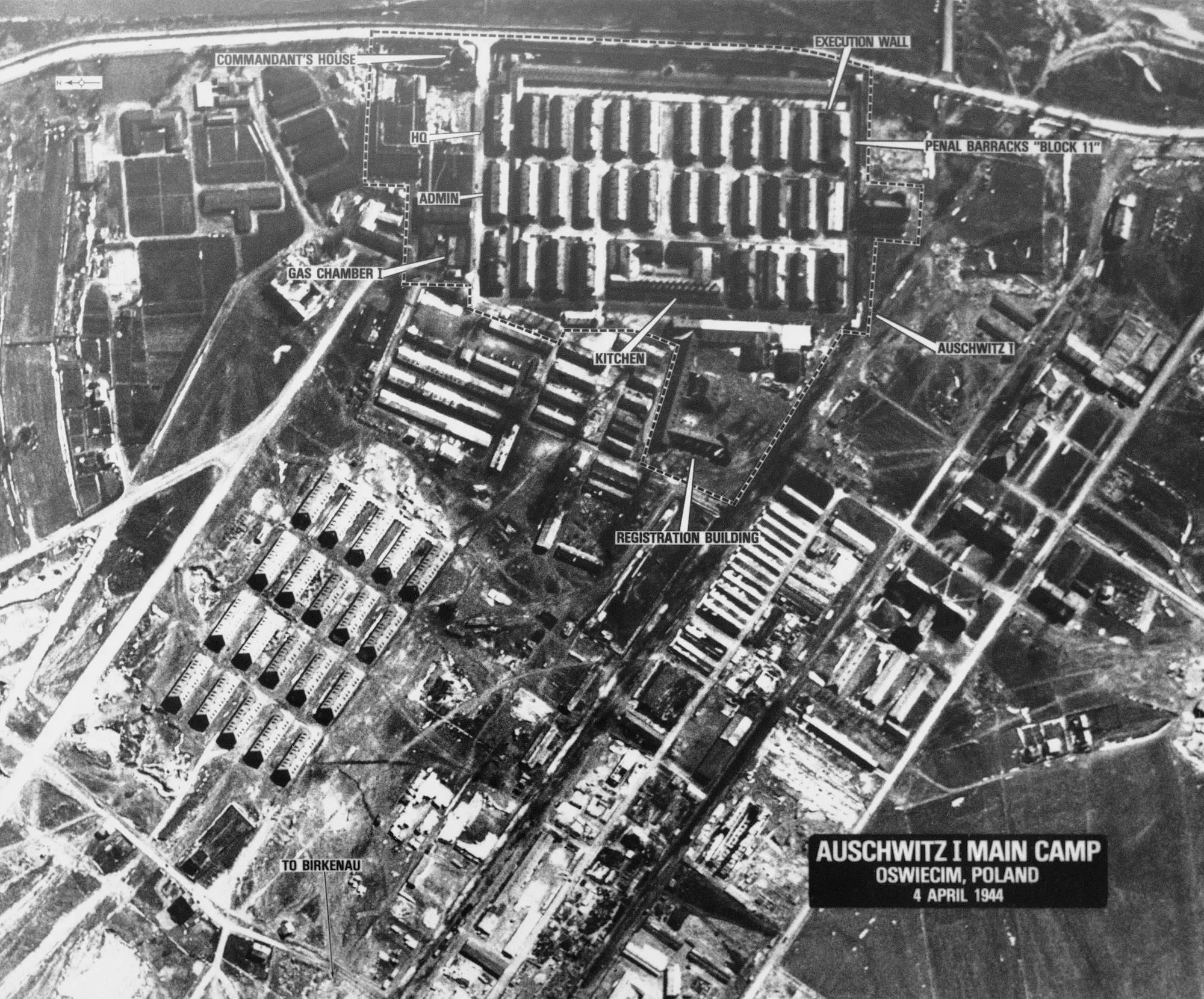
Auschwitz I: Memorial and Museum
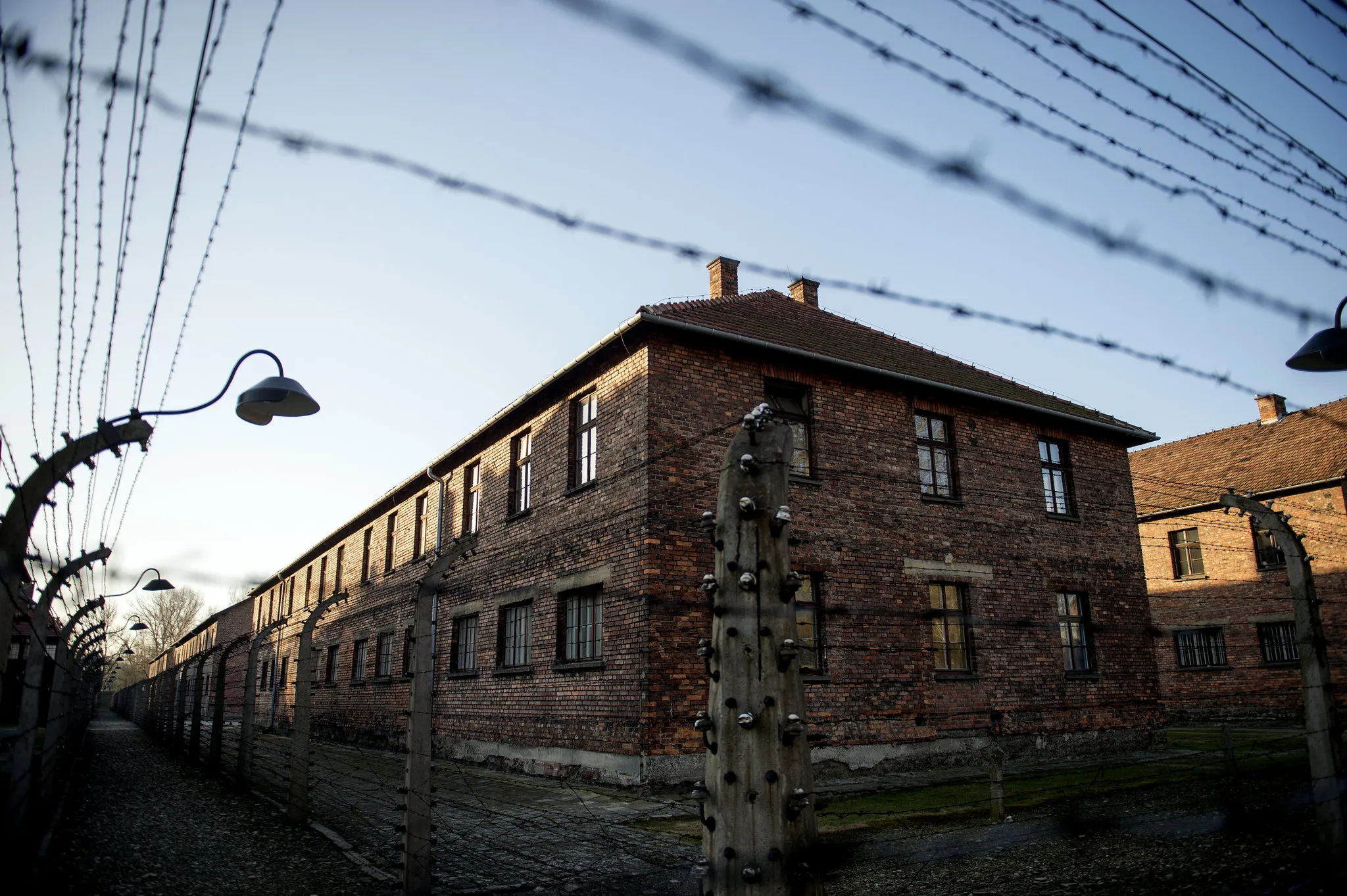
Begin at Auschwitz I, where the Museum presents historical exhibitions in preserved blocks. Walk through courtyards and corridors, see personal belongings and documentation, and learn how the camp system was organized and enforced.
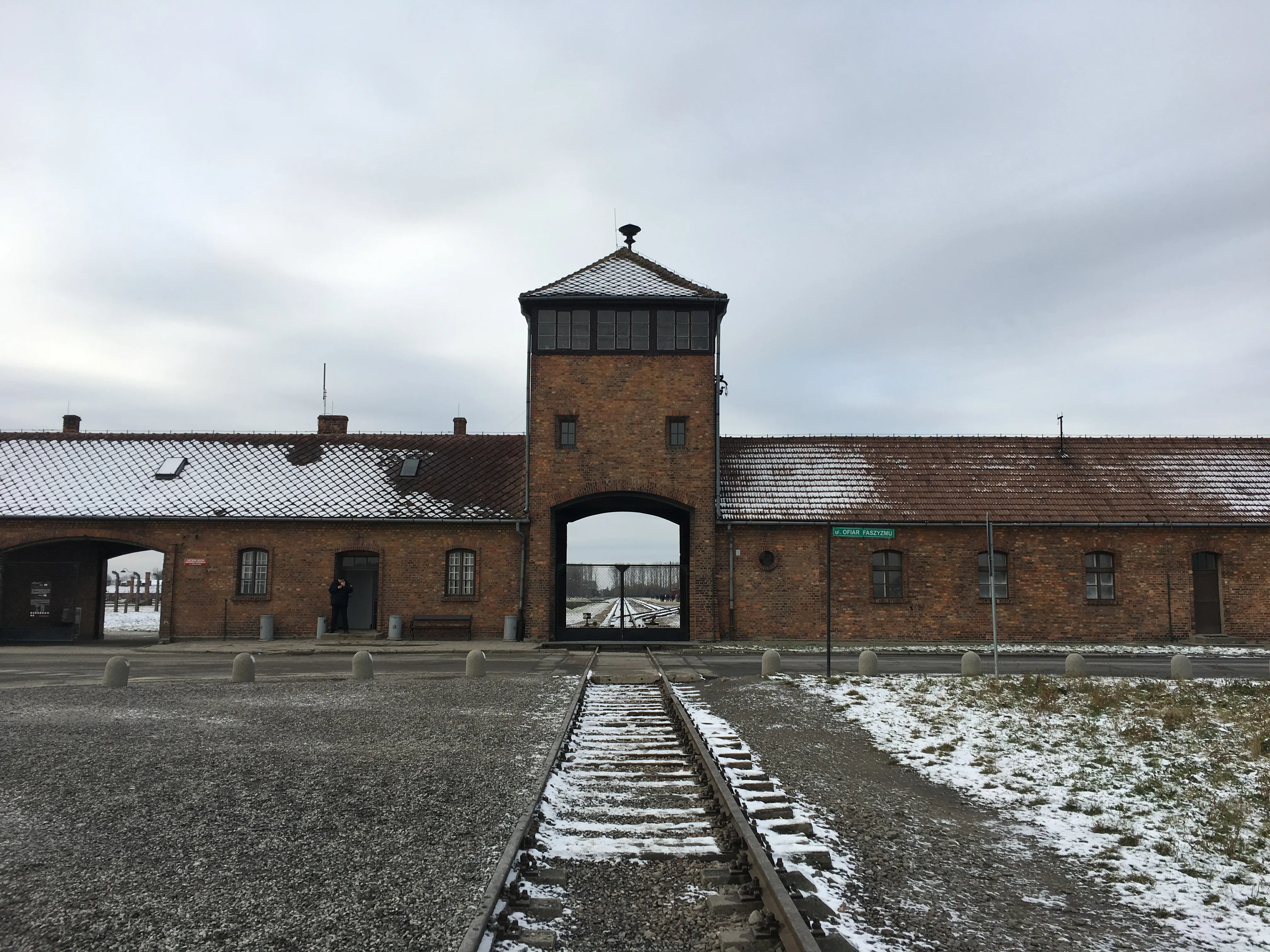
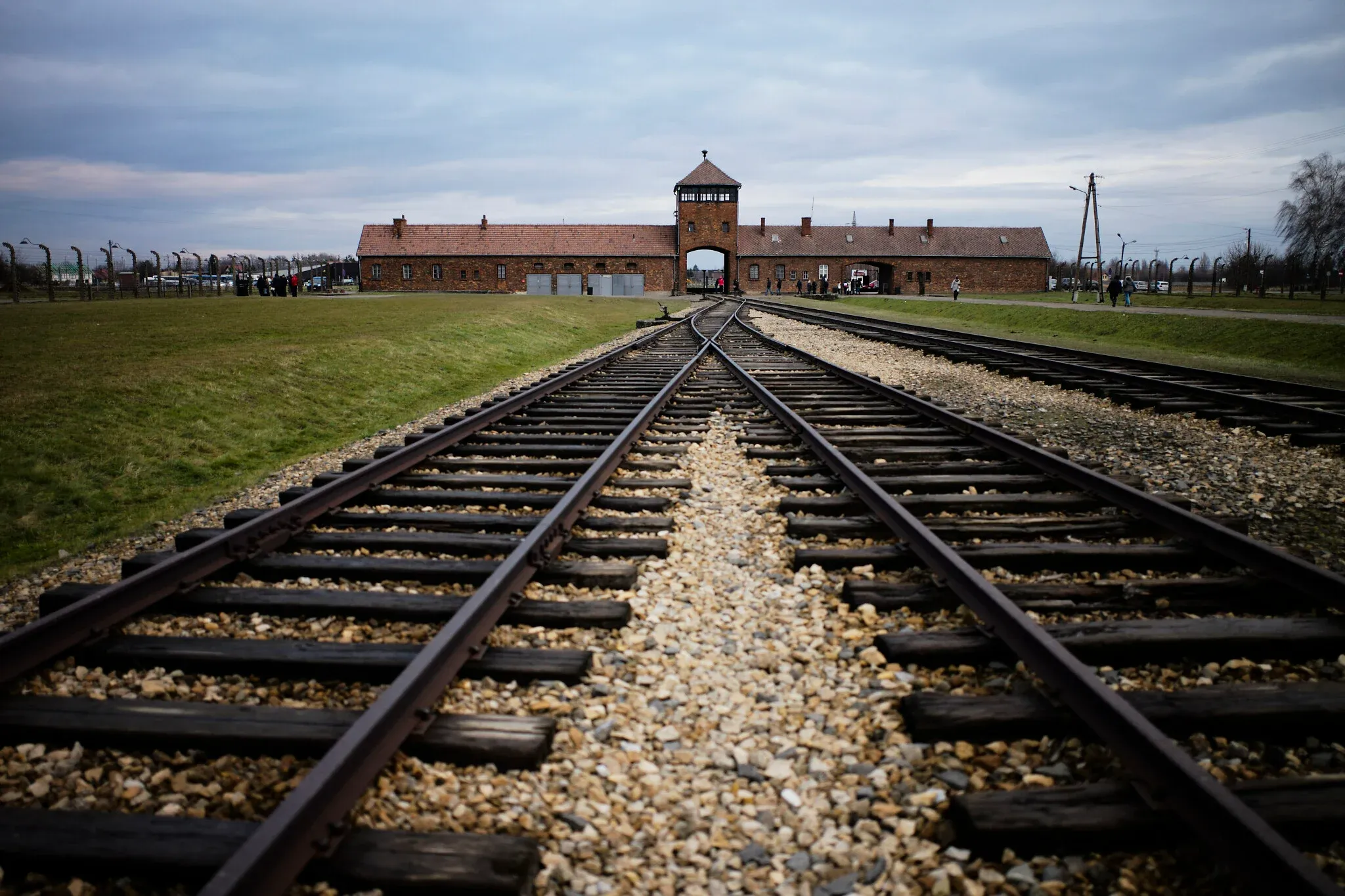
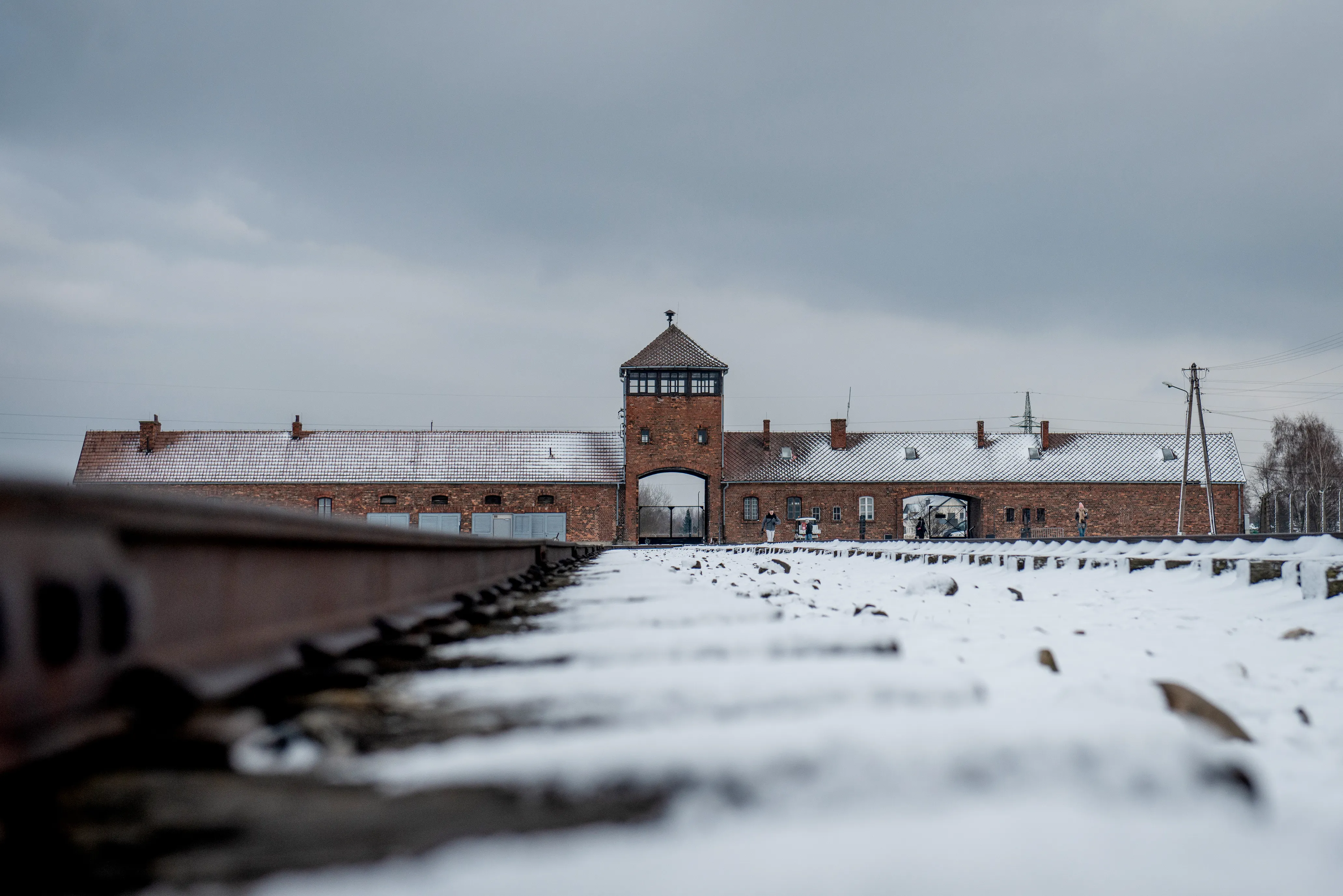
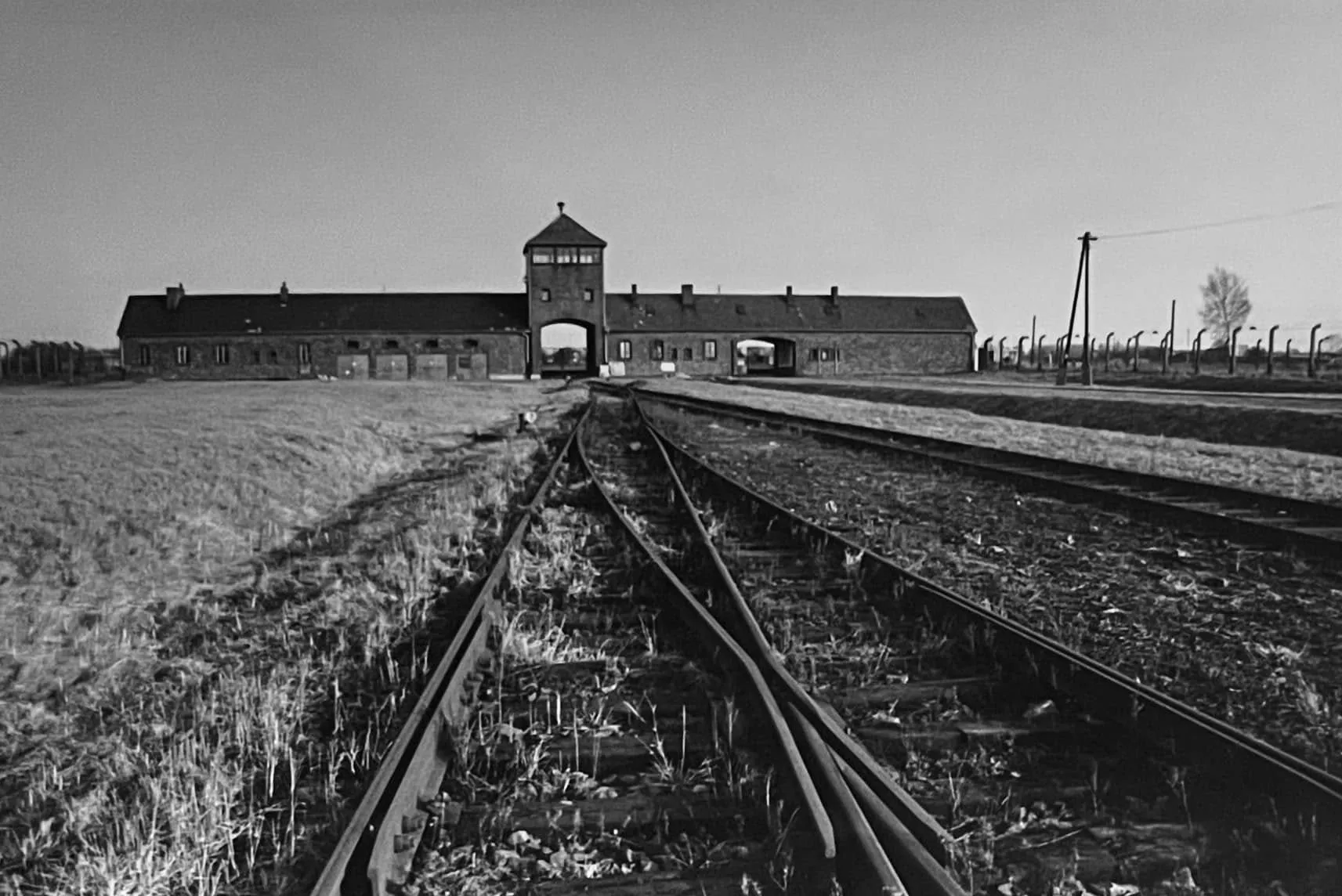
Auschwitz II–Birkenau: Memorial Grounds
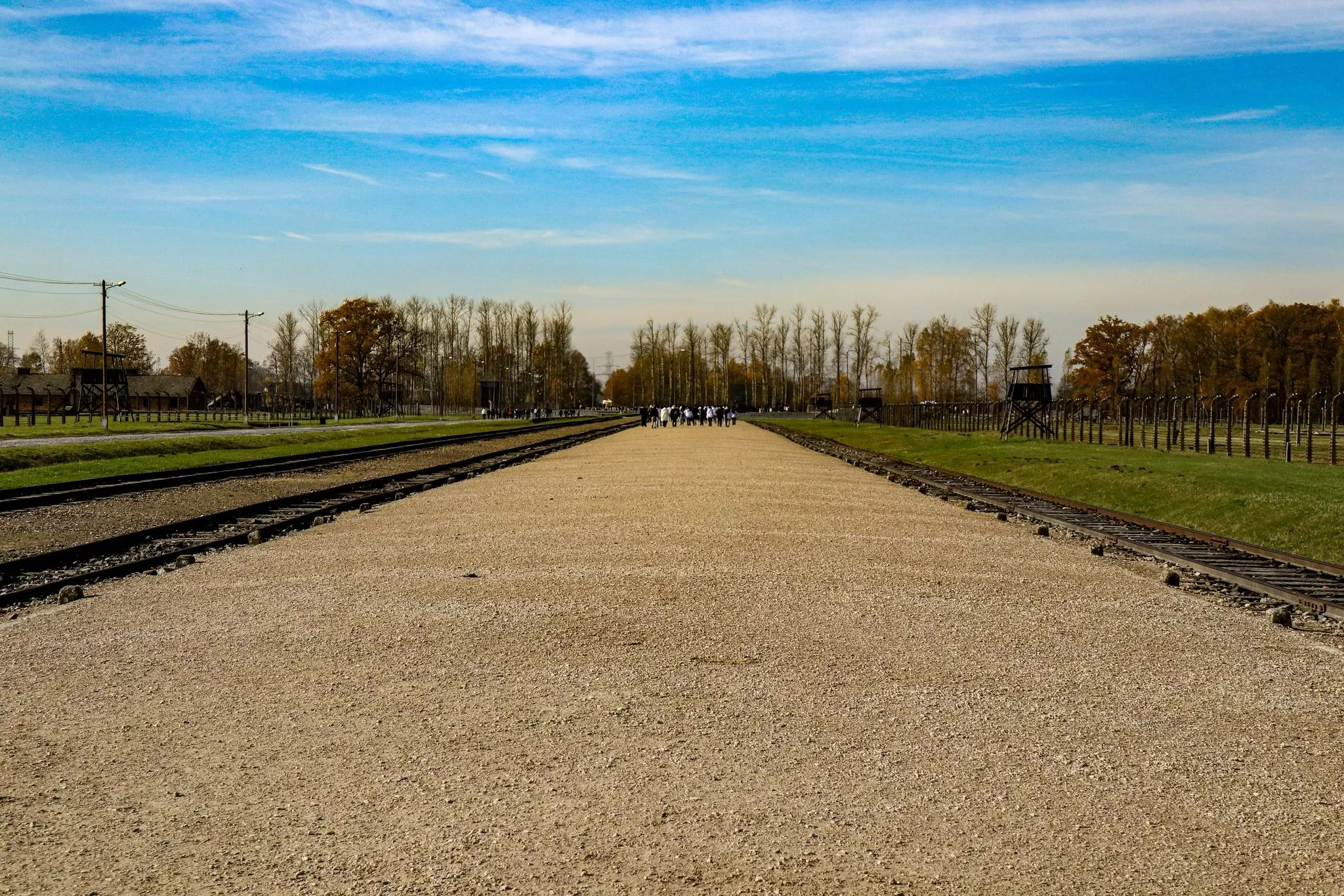
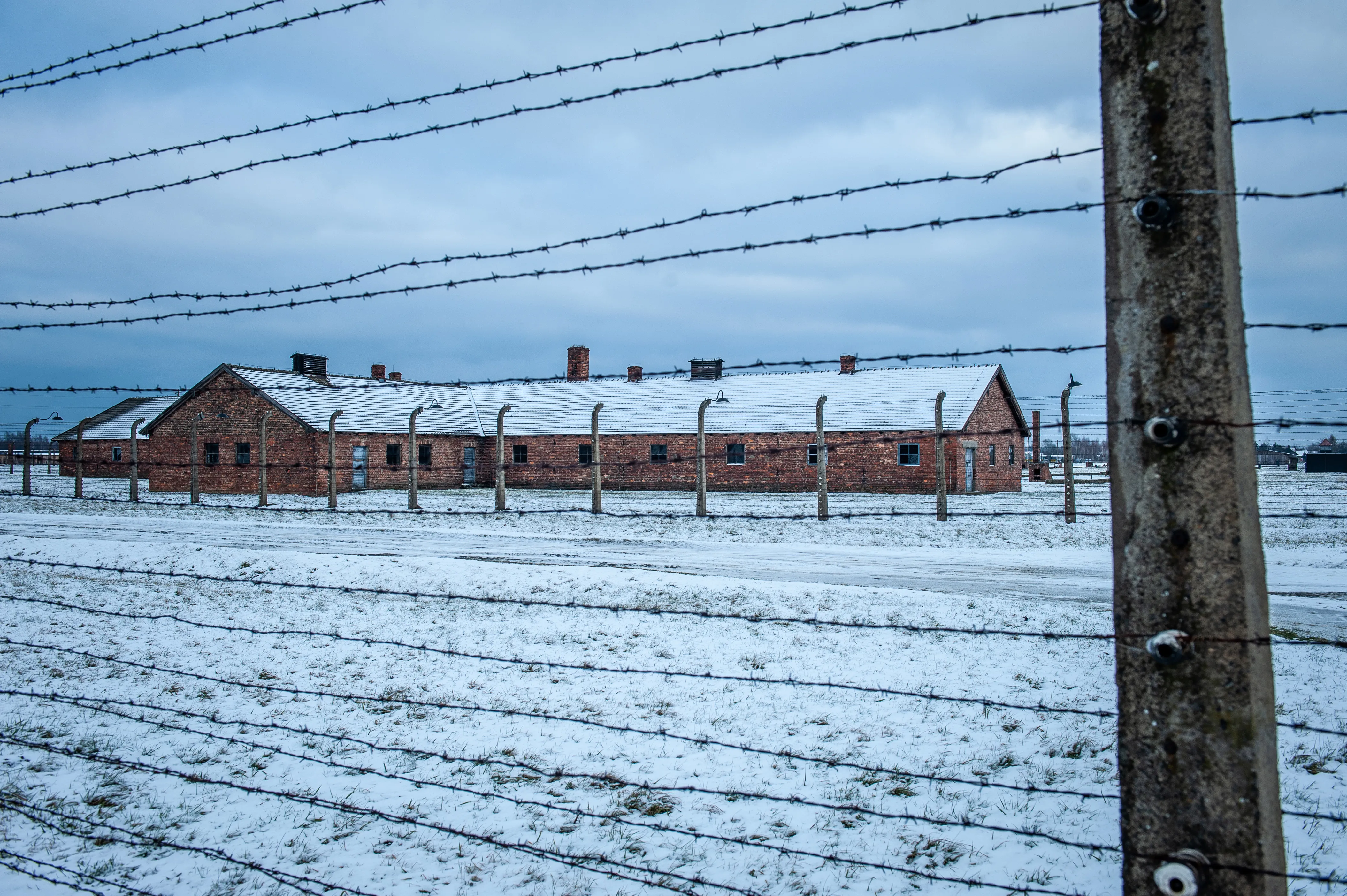
Stand within the expansive Birkenau site. Observe the scale of the former camp, the ruins of gas chambers and crematoria, remnants of wooden barracks, and the International Monument to the Victims.
Exhibitions and Testimonies
Exhibitions present artifacts, photographs, documents, and testimonies that preserve the memory of victims and survivors. The emphasis is educational and sober, inviting careful reflection.
Auschwitz-Birkenau at a glance
Key notes for planning a respectful and well-organized visit.
Plan your visit to Auschwitz-Birkenau
Reserve a guided tour or entry slot to manage time respectfully and avoid long waits.
Consider both Auschwitz I and Birkenau to understand history and context across sites.